
How to Know If My Chimney Cap is Leaking (4 Signs To Check)
How to Get Prepared For Emergency Roof Fixing When the worst weather hits or damage
Brick and stone chimneys on Waccabuc's historic estate structures range from early 19th century to mid-20th century in age — with some of the hamlet's oldest Mead family properties having masonry approaching 200 years old. Lake-adjacent humidity from Lake Waccabuc and the Three Lakes chain keeps masonry more consistently moist between freeze-thaw cycles than in drier, more elevated northern Westchester locations, producing more mortar deterioration per winter than the same cycles would cause on a comparable chimney in a drier location. On structures within the designated historic district, mortar composition and joint profile matching are essential to preserve the architectural character of the masonry.
Meridian Contracting installs new brick and stone chimneys and repoints aging masonry on estate properties throughout Waccabuc, with mortar composition matched to the original brick's age on every historic structure.
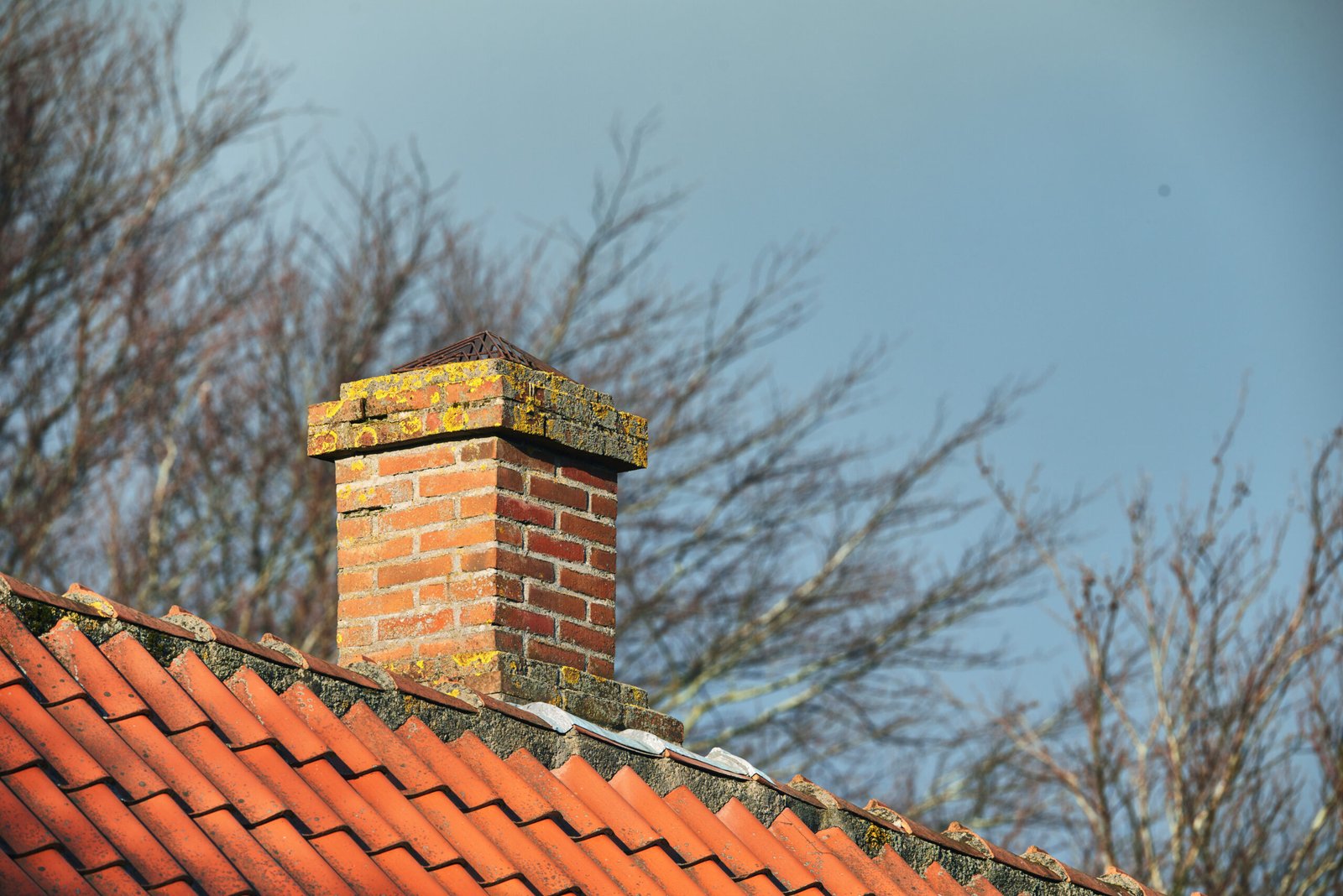
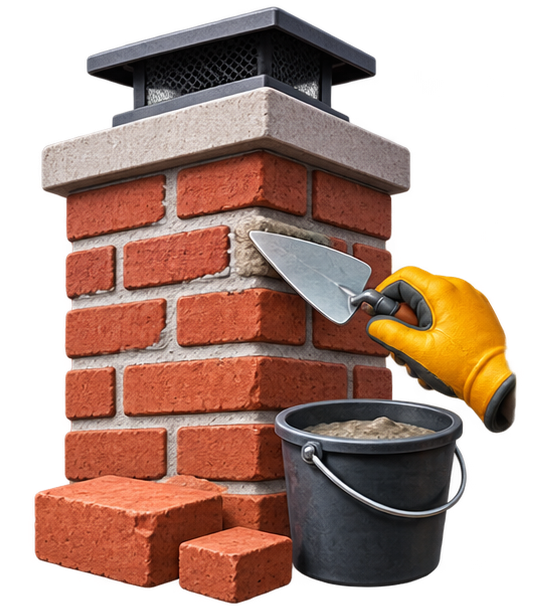
Removing deteriorated mortar and replacing it with fresh mortar matched to the original brick's age, composition, and joint profile — essential on Waccabuc's historically designated estate structures.
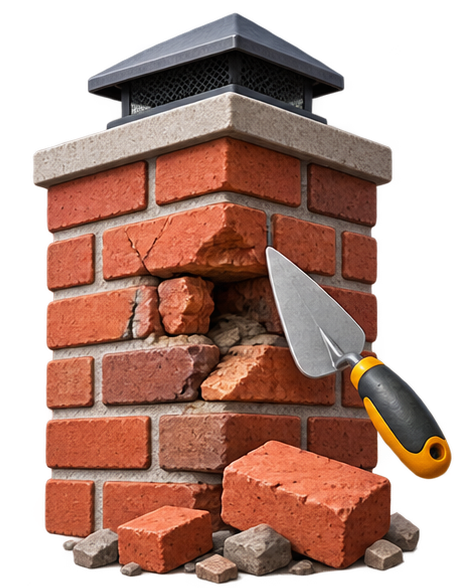
New chimney construction to current code, with proper flue liner installation and flashing detail appropriate to the architectural character of each estate structure.
Access helpful articles and expert guidance on roofing, siding, gutters, skylights, and more.
How to Get Prepared For Emergency Roof Fixing When the worst weather hits or damage
Have you ever faced potential damage from worn-out chimney flashing? We often look into visible
How to Get Prepared For Emergency Roof Fixing When the worst weather hits or damage
Some date to the early 19th century — Enoch Mead built Elmdon homestead in 1780, and structures from the hamlet’s first decades have masonry approaching 200 years old.
Yes — lake moisture keeps masonry more consistently hydrated between freeze-thaw cycles, producing more mortar damage per winter than on drier properties of comparable age.
Yes — period-appropriate mortar composition and joint profile matching are required on historically designated structures to preserve the masonry character of buildings that contribute to the hamlet’s historic district status.
Original 19th-century brick is softer than modern construction — too-hard modern mortar forces thermal expansion into the brick rather than the replaceable joint, causing spalling damage that is far more expensive to address than proper repointing.
Larger estate homes often have multiple chimney stacks — significantly more repointing work than a standard residential chimney. We assess each structure separately.
With a nationwide footprint and a commitment to excellence, we proudly support families across the United States—helping them build, improve, and maintain the places they call home.
"*" indicates required fields